
Laser Melting Mechanism of Metal Laser Powder Bed Fusion (LPBF) Additive Manufacturing
source:Laserfair.com
keywords:
Time:2025-12-31
Source: Additive Manufacturing Master's and Doctoral Alliance 20th Dec 2025
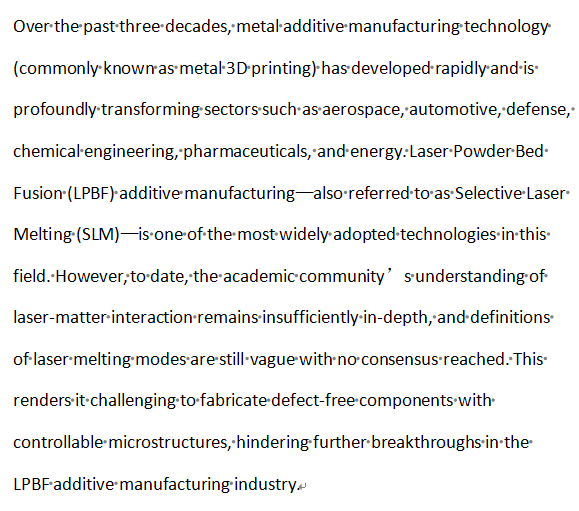
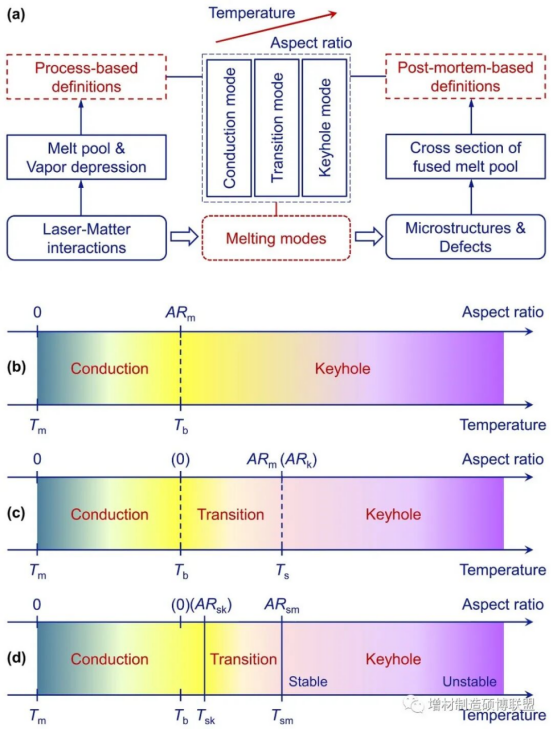
Figure 1 Melting Modes in metal Laser Additive Manufacturing; (a) Physical basis for the definition of melting modes; (b)-(c) Definitions based on static analysis; (d) Definitions based on dynamic processes
Researchers from the Department of Mechanical Engineering at Tsinghua University published a review paper titled Laser melting modes in metal powder bed fusion additive manufacturing in Reviews of Modern Physics, a prestigious journal in the international physics community.
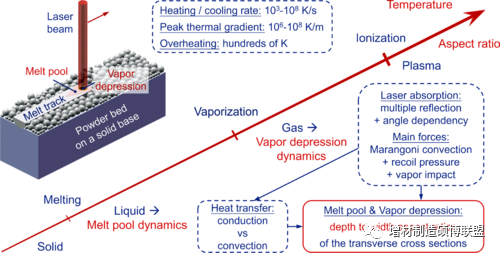
Figure 2 Physical Processes of Laser Melting of metal Powders
The authors first elaborated on the general physical processes in metal laser powder bed fusion additive manufacturing, and emphasized two key coupled phenomena: melting and vaporization, as well as liquid protrusions on the front wall of the keyhole and keyhole instability. These physical phenomena drive the morphological evolution of the molten pool and keyhole, and serve as the cornerstone for defining laser melting modes.
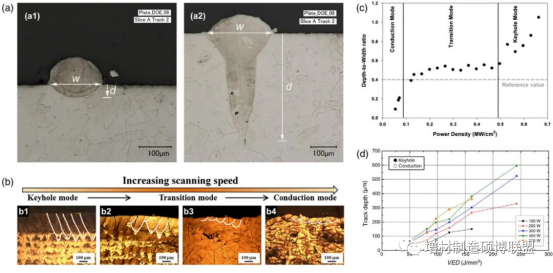
Figure 3 Laser Melting Modes based on metallographic Analysis of Build Parts
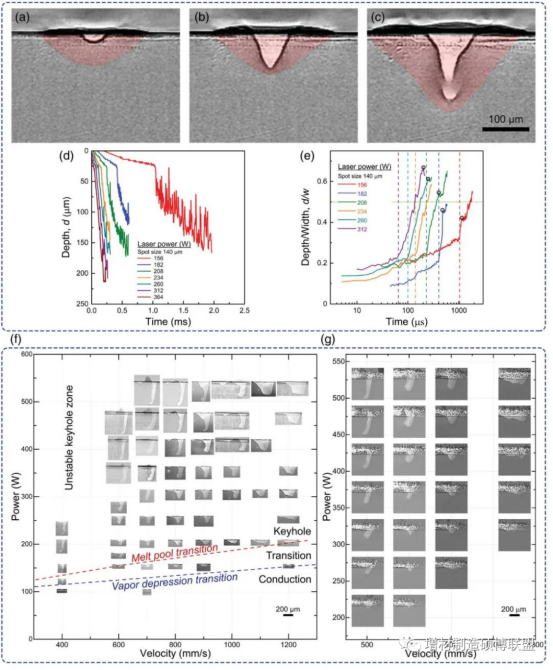
Figure 4 Laser Melting Modes based on Process Visualization Research
Subsequently, based on the characterization and measurement methods of the molten pool and keyhole, the authors classified laser melting modes into two categories (Figure 1). Category 1 is founded on static post-mortem metallographic analysis, while Category 2 relies on in-situ, dynamic process visualization. In comparison, the definition based on process visualization is more rigorous and physically meaningful, providing new production guidelines and research directions for metal laser powder bed fusion additive manufacturing.
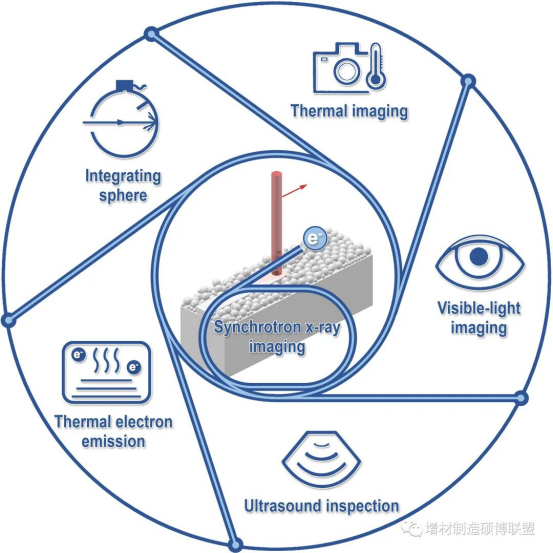
Figure 5 Multi-information Transcription and Knowledge Transfer
The authors emphasized the significance of the keyhole, pointing out that additive manufacturing based on the steady-state keyhole melting mode is more efficient, sustainable and robust. The realization of this vision will depend on the development of multiphysics models, multi-information transcription (as shown in Figure 5), as well as cross-platform and cross-scale process metrology.
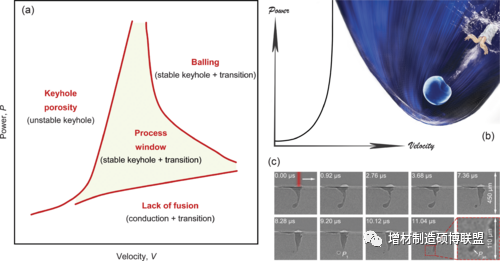
Figure 6 Schematic Diagram of metal Laser Powder Bed Fusion Process
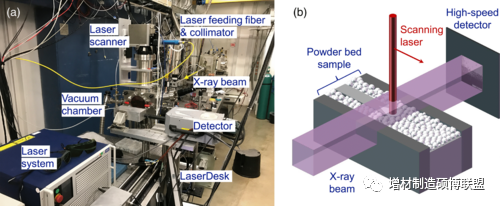
Figure 7 In-situ X-ray Imaging of Laser Melting
 Vietnam Plant + Europe Upgrade: Laser Leader Deepens Global Push
 Three global heavyweights step up their China bets: What's behind the move?
 Big Four laser earnings: Winners, losers, and the ones fighting back
 Photonic chips land ¥1.1B in orders, funds, and financing
 Five Laser Firms See Executive Reshuffles: Younger Leaders Take the Helm
 Laserion: Breaking Ultrafast Laser Bottlenecks to Industrialize Homegrown High-End Sources
 XTRI-tech's Yao Caihong: Building High-End Manufacturing
 Glitterin Tech's Three Photonic Pillars: Building the Optical Backbone of the AI Era
 A Female Pioneer's 20-Year Quest for World-Leading Laser Thin Film Breakthroughs
 HSG Laser's He Hongming: Innovation Drives Laser Manufacturing Future